

Our Paris team and partners
Get to know the makers behind our Paris tour. Each partner was chosen for their craft, their character, and their genuine place in the La Chapelle food scene. From shared kitchens to sourdough starters, they each bring a different living culture to the experience
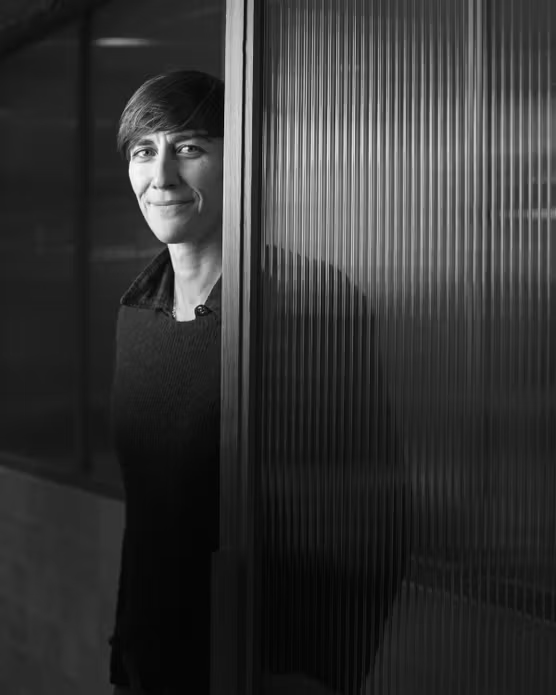
Anaïs Tarby / Les Camionneuses
In 2012, Anaïs took a trip to New York with three friends and discovered something that changed everything: the shared kitchen model. What they saw in America fit perfectly with what they wanted to build in Paris. In 2014, they opened L'Office, France's first shared professional kitchen, in a former school cafeteria in Vincennes. Today, with a second space at 11 rue des Cheminots in Chapelle, Les Camionneuses has grown into Paris' largest shared kitchen ecosystem.
What makes Anaïs and Les Camionneuses the heart of our Paris tour is a simple belief: food culture is built from the ground up, one maker at a time. The kitchen has supported over 400 culinary projects in eleven years. More than 40,000 dishes produced monthly. Not because she set out to scale, but because she created the conditions for creativity to happen.
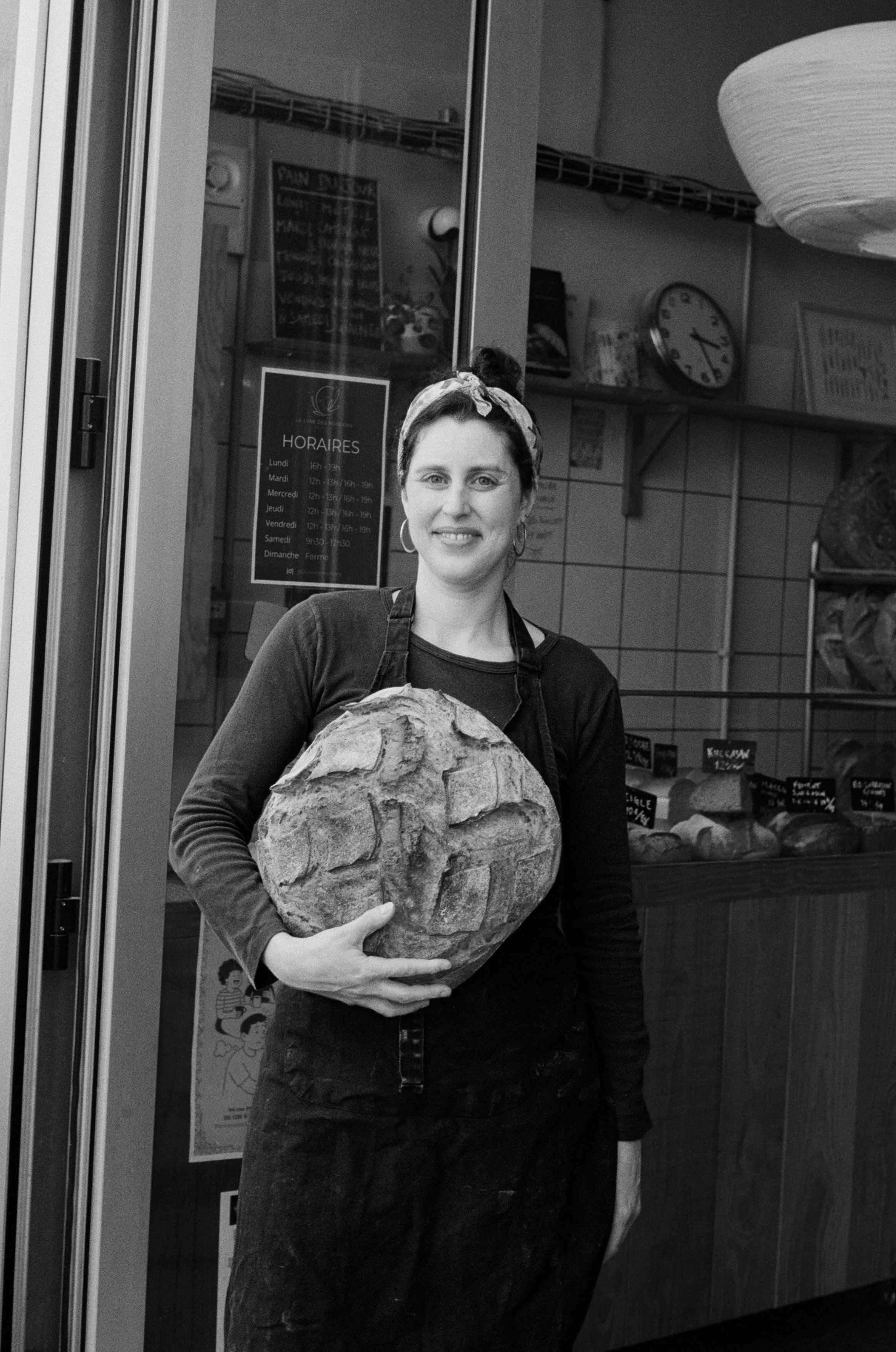
Alice Grejon / La Lune des Moissons
Alice discovered bread and fermentation in southern France, learning that La Lune des Moissons is the full moon that gives farmers extra light to harvest. She opened her bakery at 83 bis rue Philippe de Girard in July 2024.
Organic flour, ancient grains, natural levain, baked on site every day. Bread as the oldest fermented food, treated with the respect it deserves. La Lune des Moissons isn't just a name. It's a practice.
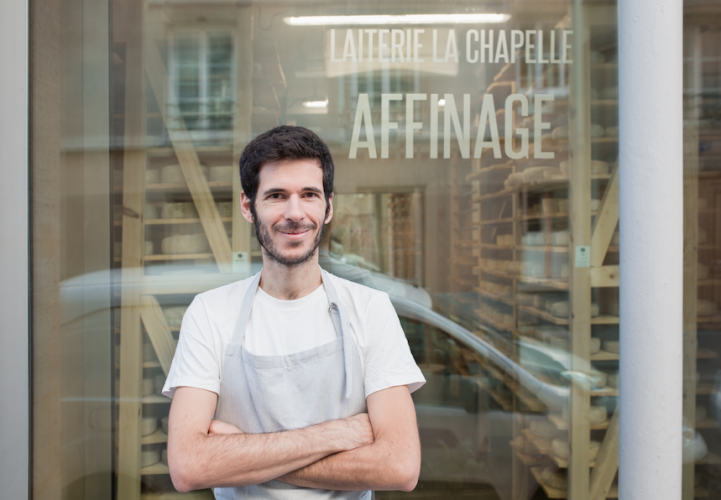
Paul Zindy / Laiterie La Chapelle
Paul had a simple question: why doesn't Paris have a fromagerie making cheese from local milk? In 2018, he opened Laiterie La Chapelle at 72 rue Philippe de Girard and answered it himself.
Raw milk from La Ferme de Launay, 35km away. Two windows onto the street so you see the cheese being made and aged. Quality, transparency, and nothing between you and the maker.
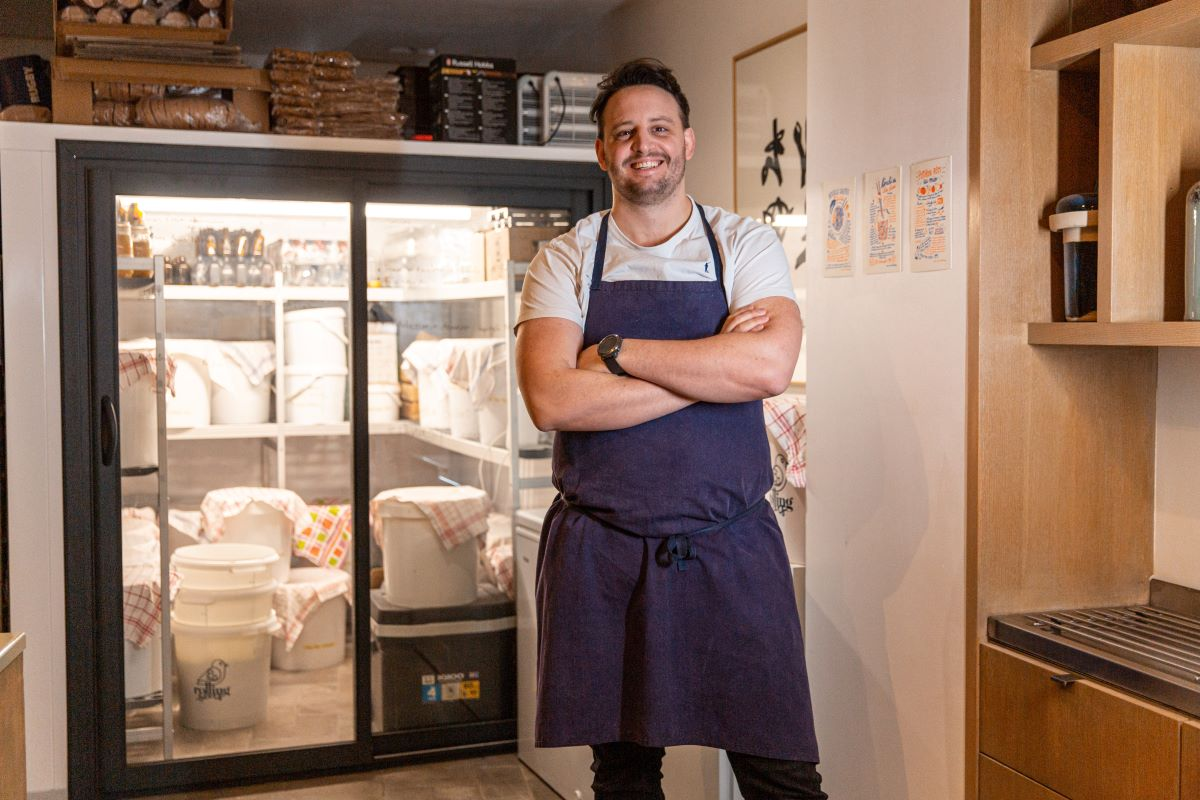
Hugo Chaise / My Fermentation
After years in high-end kitchens and a transformative stage at Noma in 2018, Hugo came back to Paris obsessed with fermentation. He developed his practice at Poilâne before opening My Fermentation on rue Saint-Bon in spring 2025.
His misos are used by chefs like Anne-Sophie Pic and Romain Meder. His rye miso comes from unsold Poilâne bread. "Fermentation is alive," he says. Hugo made fermentation into something anyone can start. He just does it at a very high level.
Get to now the people behind fermentastic, we hand-picked these partners for their craft, character, and real Brussels flavour. Each one adds a different side of fermentation to the tour, from wild beer to chocolate and beyond.
Our Brussels team and partners
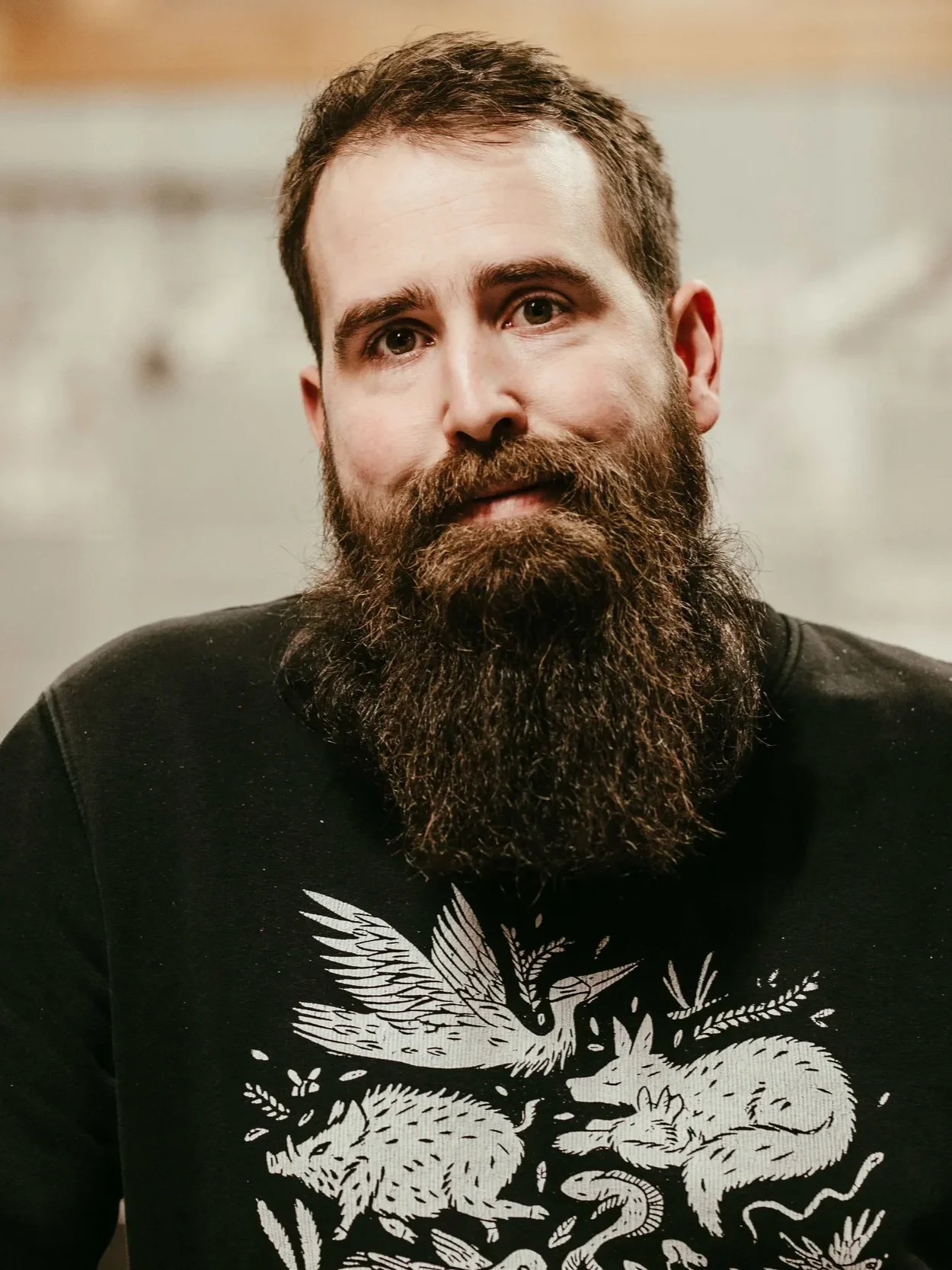
Yannick Schandené / Fermenthings
Yannick Schandené has been quietly shaping Brussels’ modern fermentation scene since 2017, when he opened a first fermented-food shop in Jette, years before fermentation became everyone’s favourite buzzword.
Today, he runs Fermenthings at BE-HERE, where it’s part shop, part workshop, part playground for microbes. Yannick is also behind the Urban Fermentory/Lab (opened September 2020), exploring circular fermentation, like transforming spent brewery grains into shoyu and miso—and expanding into a larger space in 2024. That mix of craft, curiosity, and low-waste thinking is exactly why he’s one of our Brussels pioneers, and a key stop on the tour.
Valérie De Ketelaere / Bazaar Trottoir.
Founded in 2019, Bazaar Trottoir offers an alternative look at Brussels, Antwerp, and Ostend through human-scale guided walks. Moving beyond typical tourist routes, their team of 15 ambassadors explores themes like street art, social innovation, and neighborhood life, focusing on the authentic stories and invisible dynamics that shape the city from the pavement up.
The organization views the city as a living organism, emphasizing sustainability and circular ecosystems. This makes the partnership with Fermentastic a perfect match; by visiting pioneers like La Source or BE-HERE, they use fermentation as a lens to understand urban transformation, showing how collaboration and patience drive both biological processes and city growth.
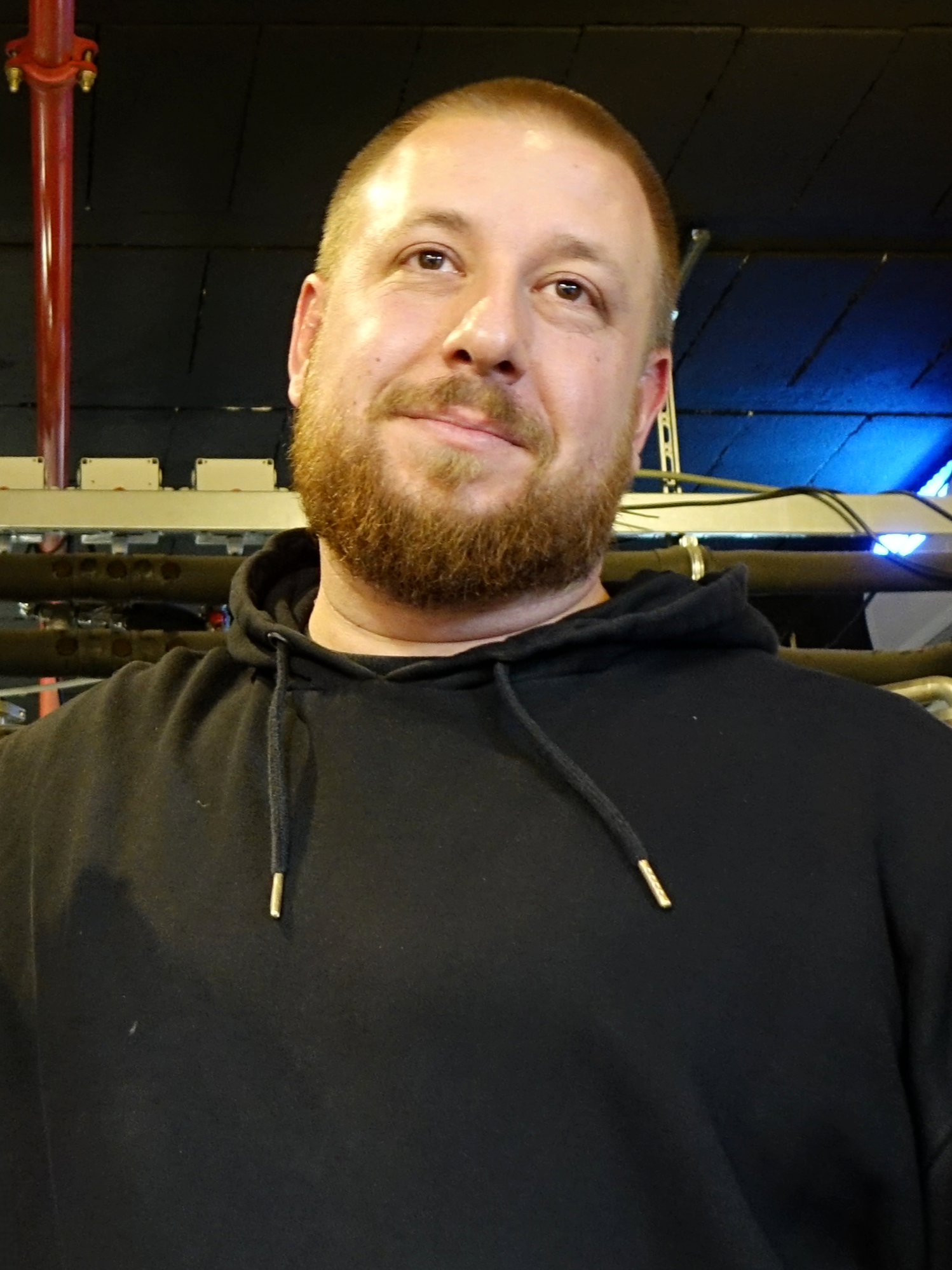
Mathieu Huygens / La Source Beer Co
Mathieu Huygens is part of the newer Brussels beer story: less nostalgia, more immediacy. In 2019, he opened La Source Beer Co at BE-HERE, built around one simple flex, beer served straight from the tanks. Five vats are fitted with taps, so what you drink is about as close to “just brewed” as Brussels gets.
What makes Mathieu a perfect fit for our tour is the mindset behind the freshness: La Source has leaned into a more low-impact, “full-circle” approach, right down to choices like packaging in cans to cut transport weight. It’s modern, technical, and unpretentious, exactly the kind of place where Brussels’ fermentation culture keeps evolving.
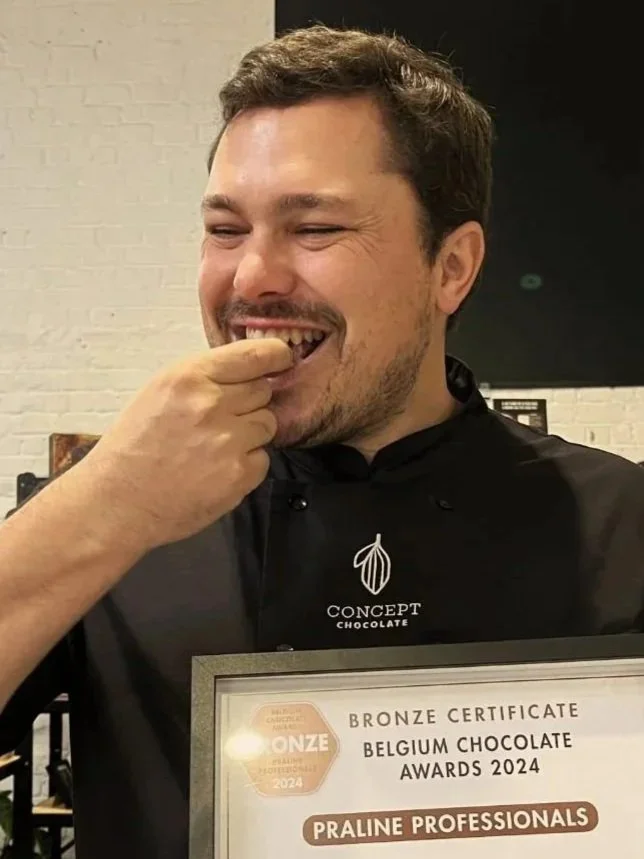
Maxime Pliester / Concept Chocolat.
Maxime Pliester is the kind of Brussels chocolatier who invites you behind the curtain. At Concept Chocolate in Schaerbeek, he’s built a participatory atelier where visitors don’t just buy pralines—they learn how chocolate is made, taste the craft up close, and discover what happens before chocolate becomes chocolate.
What makes Maxime a perfect match for our fermentation story is his respect for origins and side-streams: Concept Chocolate is part of the Cacao-Trace programme, and he’s openly curious about elements like cocoa pod pulp—proof that flavour and sustainability can share the same starting point.
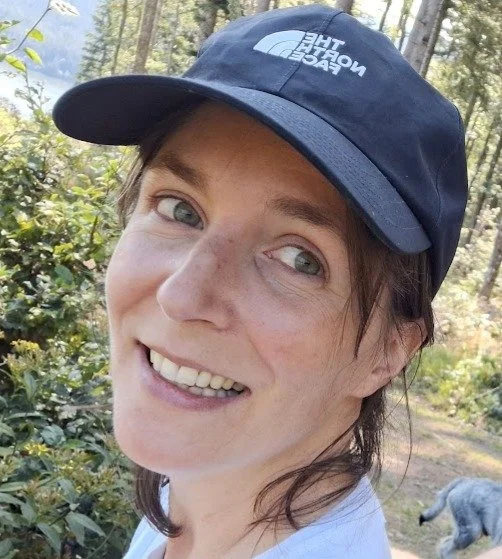
Anne-Liv Myrén / Smaag
After years of working in the food and chemistry industry as bioengineer, Anne-Liv is now launching her own project, SMAGG.
She is fascinated by the transformation power of microorganisms, how their action turn food naturally into something special and tasty.
SMAGG are fermented condiments with a lot of taste, made with local organic veggies. Like Kimchis, Coleslaw, and more to come (Gurka to be tested).
Gastronomy enthusiast ? Tour operator expert in food experience ? Tourism professional in search of sustainable experience ? Join the Fermentastic newsletter to get all the informations !