

The Future of Food in Brussels
It all begins with an idea.
Why fermentation is key to sustainable food systems and how Brussels is leading the way.
Brussels has a habit of hiding its best stories in plain sight. You’ll find them in narrow streets and quiet courtyards, behind doors that don’t advertise much. You’ll hear one pop with a cork and a soft sigh of carbonation: a bottle of gueuze opened at a table. And suddenly the city’s relationship with microbes—old, intimate, and strangely futuristic—makes perfect sense.
Fermentation is often sold as a foodie fascination: jars, bubbles, “gut health,” a new kimchi place opening every other month. But in reality, it’s something far more useful. Fermentation is infrastructure. It’s a tool for preservation, flavor, resilience—and, increasingly, a key piece of what sustainable food systems can look like.
Brussels, with its mix of culinary traditions and stubborn local pride, is turning that idea into practice.
Fermentation isn’t a trend. It’s a system.
The climate-and-food conversation tends to get stuck in extremes: lab-made miracles on one end, nostalgic back-to-the-land fantasies on the other. Fermentation sits in the middle, quietly practical. It does what sustainable food policy needs most: it reduces loss, stretches seasons, and creates value out of what would otherwise be wasted.
It does this in ways that aren’t theoretical:
It buys time. Vegetables that might spoil become kraut, pickles, kimchi. Milk becomes yogurt, kefir. Fruit can become vinegar. That extra time is the difference between “surplus” and “waste.”
It upgrades leftovers. Stale bread, trimmings, imperfect produce—fermentation has a long history of turning side-streams into something purposeful.
It delivers big flavor with modest inputs. Acid, umami, complexity: fermentation makes food feel complete without leaning so hard on resource-heavy ingredients.
Brussels has been talking about exactly these outcomes through its regional Good Food Strategy, which connects food waste reduction, circular approaches, and more sustainable production and consumption. The message is simple: sustainability isn’t just about what we eat, but about how the whole chain behaves.
And the circular-economy lens, also explored in Brussels case work by the Ellen MacArthur Foundation, keeps coming back to the same pressure point: organic waste is only “waste” if you treat it that way.
Brussels and the romance of wild fermentation
If Brussels has a fermentation flagship, it’s not a jar. It’s a bottle.
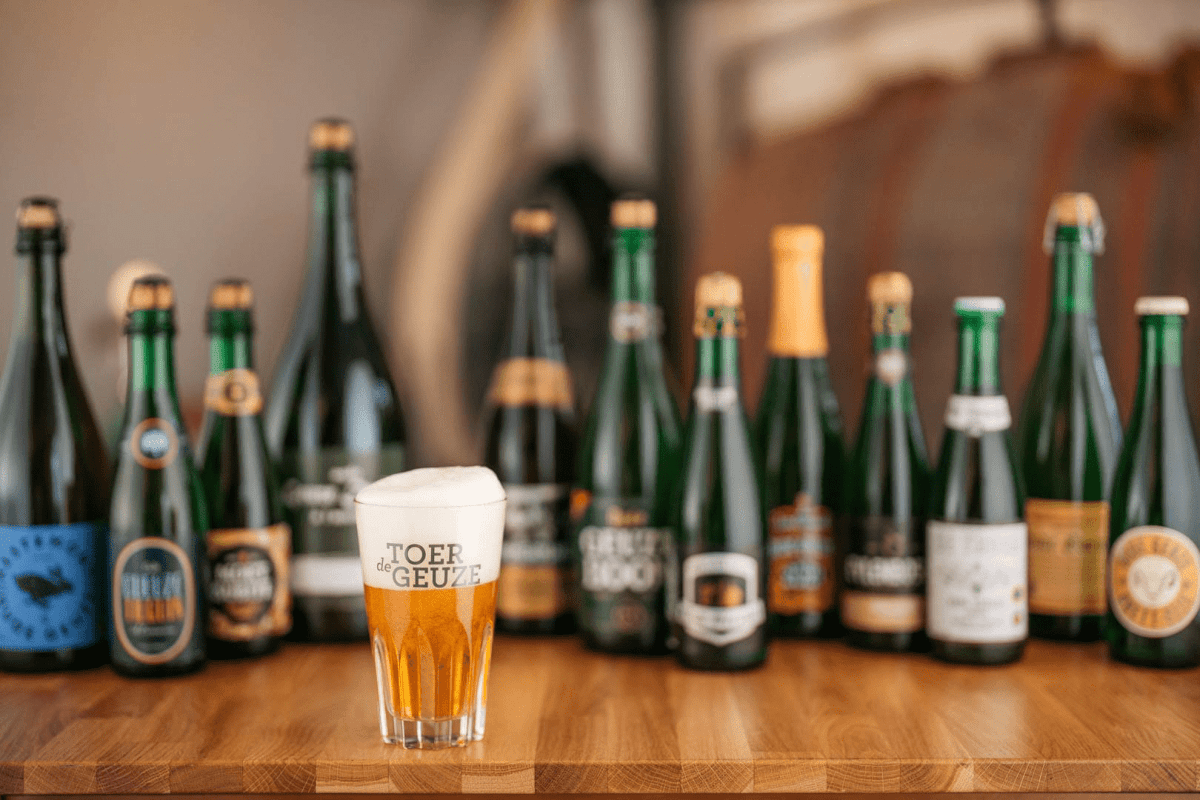
Gueuze, blended, bottle-conditioned, sharp-edged and celebratory, belongs to a family of beers built on ambient microflora. Lambic is not fermented in the tidy, controlled way that modern production prefers. It’s shaped by air, old wood, time, temperature, and place. It’s Brussels terroir in liquid form.
The most vivid expression of that tradition is Cantillon, which is both a working brewery and a museum of living methods. The building isn’t a stage set: it’s an operating ecosystem.
In a world obsessed with standardization, gueuze insists on something else: that “local” can be literal, microscopic, and impossible to copy exactly.
And that’s precisely why it matters for the future. Sustainable systems need approaches that don’t collapse when supply chains wobble. Fermentation, historically, is what communities used when they couldn’t afford fragility.
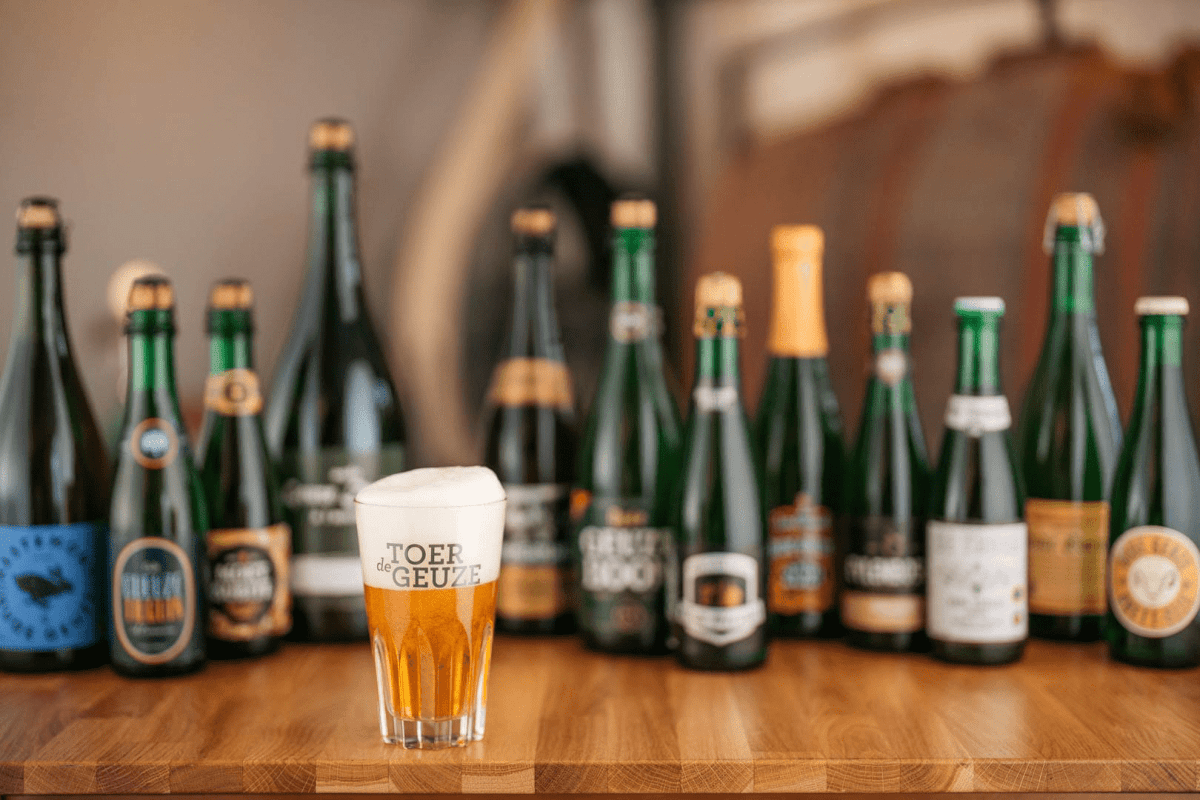
Brussels is the sole place this Geuze can be made: the city's air gives it a distinct character.
Fermenthings and the practical, everyday ferment
There’s another Brussels fermentation story that’s less romantic but arguably more important: skills.
Fermentation becomes powerful when it’s normal—when it lives in kitchens, cafés, small producers, community workshops. That’s where projects like Fermenthings come in, building a bridge between craft and everyday habit: classes, starters, practical know-how, the kind of guidance that makes fermentation feel accessible instead of intimidating.
This is what sustainable food systems look like in real life: not one grand solution, but a thousand small competencies. People learning how to preserve. Small businesses creating value locally. Seasonal peaks being absorbed instead of dumped.
Chocolate: Belgium’s most famous fermented product (even if no one says it)
Belgium, and Brussels as it’s capital, is a chocolate nation, everyone knows that. What’s talked about less is that chocolate’s flavor begins with fermentation long before it becomes a bar, a truffle, a praline in a polished box.
Fresh cocoa beans don’t taste like chocolate. The transformation starts when cocoa pulp and beans ferment together: microbes consume sugars, produce heat and acids, and trigger the chemical changes that create the building blocks of chocolate aroma while reducing harsh bitterness.
Researchers and writers have been increasingly clear about how decisive those microbial communities can be—sometimes pushing a batch toward fruitiness, florals, or deeper cocoa notes.
In craft circles, experiments like “co-fermentation” are stretching chocolate’s flavor vocabulary even further, the way winemakers talk about fermentation choices shaping the final glass.
So yes, Brussels can celebrate gueuze as a local icon. But it’s also sitting in the middle of a country whose most famous export is built on the same principle: controlled chaos, guided by microbes.
Why Brussels is a natural fermentation capital
Brussels is dense. It’s multilingual. It’s culturally layered. It’s full of small businesses and communities with distinct food traditions. That’s exactly the kind of environment where fermentation thrives.
Because fermentation isn’t only about technology, it’s about networks:
networks of people sharing methods,
networks of small producers supplying neighborhoods,
networks that keep value local and cut waste at the edges.
And it dovetails neatly with the region’s ambitions around food waste, circularity, and better food governance.
The future of food will taste like microbes
A lot of “future of food” storytelling is shiny: new proteins, new factories, new patents. Fermentation is different. It’s cheap, adaptable, and deeply human. It’s also, quietly, one of the most reliable ways we have to make food systems less wasteful and more resilient—without asking everyone to eat joyless meals or wait for a miracle.
In Brussels, you can see that future already taking shape: in a glass of gueuze, in a workshop where someone learns to keep a starter alive, in the invisible fermentation that makes chocolate taste like chocolate in the first place.
The future won’t be built by a single breakthrough. It will be built the way a good culture is built: step by step, batch by batch.
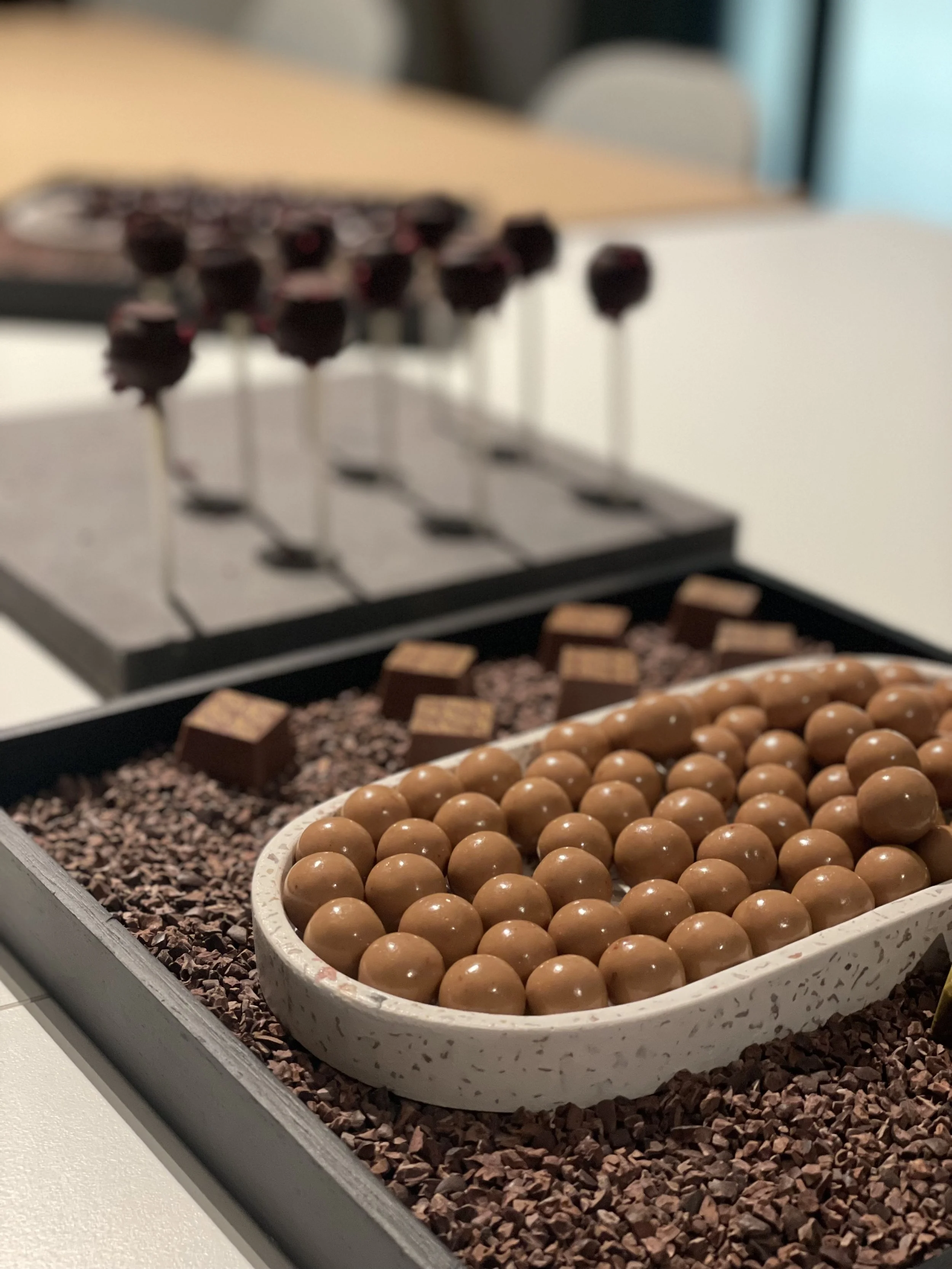
Concept Chocolate : The backstages of chocolate art
It all begins with an idea.
Belgium is famous for its chocolate, but few people know the secret to a glossy praline, the snap of a dark bar, or the comfort of a truffle lies in a process that happens thousands of kilometers away: fermentation. At Fermentastic, we know that these delights are merely the final chapter of a much longer story. The soul of chocolate isn't born in a factory; it is born in a wooden crate under the tropical sun. It starts with fermentation. We believe the best way to understand this is to go straight to the source.
It is why Concept Chocolate, located in the vibrant neighborhood of Schaerbeek, is a key partner on our tour. Led by Maxime Pliester, this venue is not just a shop. It is a sanctuary of craftsmanship where the biological roots of chocolate are celebrated. We chose this partner because they bridge the gap between the wild, fermented origins of the bean and the refined elegance of Belgian savoir-faire. Here is why this stop is a highlight of our gastronomic tour.
More than just chocolate: An immersive experience
Walking into Concept Chocolate feels less like entering a store and more like stepping onto a stage. Maxime has built what he calls a participatory atelier, a space designed to completely demystify the chocolatier's art.
It's designed to pull back the curtain on the chocolate-making world. Maxime invites visitors to step “backstage”, moving beyond the simple act of buying a box of pralines. You are immersed in the sounds of the tempering machines, the heavy aroma of roasting cocoa, and the precise movements of the artisans. It is an educational journey where you don’t just taste; you learn, you smell, and you see the transformation happen. You learn how a raw ingredient is transformed, asking questions and seeing the reality of production up close. It’s about reconnecting the consumer with the artisan.
An experience that changes the way you taste chocolate forever!
Why Concept Chocolate?
You might wonder: What is a chocolatier doing on a tour dedicated to fermentation? Without fermentation, cocoa beans are bitter, astringent, and utterly devoid of chocolate flavor.
Maxime and his team are among the few who place the "post-harvest" process at the center of their philosophy. They understand that the quality of their work in Schaerbeek depends entirely on the chemical magic that happens thousands of kilometers away. When farmers in Vietnam, Costa Rica, Ecuador, Columbia, Ivory Coast, Papua New Guinea, or Colombia place wet beans into fermentation boxes, yeasts and bacteria get to work. This heat and biological activity unlock the "flavor precursors." At Concept Chocolate, we explore how different fermentation techniques across these diverse origins create distinct flavor profiles.
A sustainable mindset: The cacao-trace difference.
For Maxime, great taste cannot exist without great ethics. This is why the atelier works exclusively with the Cacao-Trace program, processing 12 to 15 tonnes of sustainable chocolate annually.
The Cacao-Trace allows the local farmers to receive a “chocolate bonus”; a direct financial reward for the quality of their fermentation and drying work. With this program Concept Chocolate know exactly where the cacao beans come from. This mindset leads to exploring overlooked ingredients, such as the Cocoa pod Pulp (a fermentation byproduct), proving that sustainability and flavor innovation go hand in hand.
While fermentation happens at the origin, the sublimation happens in Schaerbeek. Concept Chocolate operates as a true artisan, working in small batches. Unlike industrial giants, this approach allows for total control over every recipe. From molding to filling, everything is done on-site to guarantee incredible freshness. This flexibility allows Maxime to highlight the specific floral or woody note of each terroir, offering a product that is technically perfect and emotionally resonant.
A Chocolaterie Focused on Quality
While the biological alchemy happens at the origin, the sublimation of those flavors happens right here in Brussels. Concept Chocolate stands out by operating as a true artisan producer working in small batches.
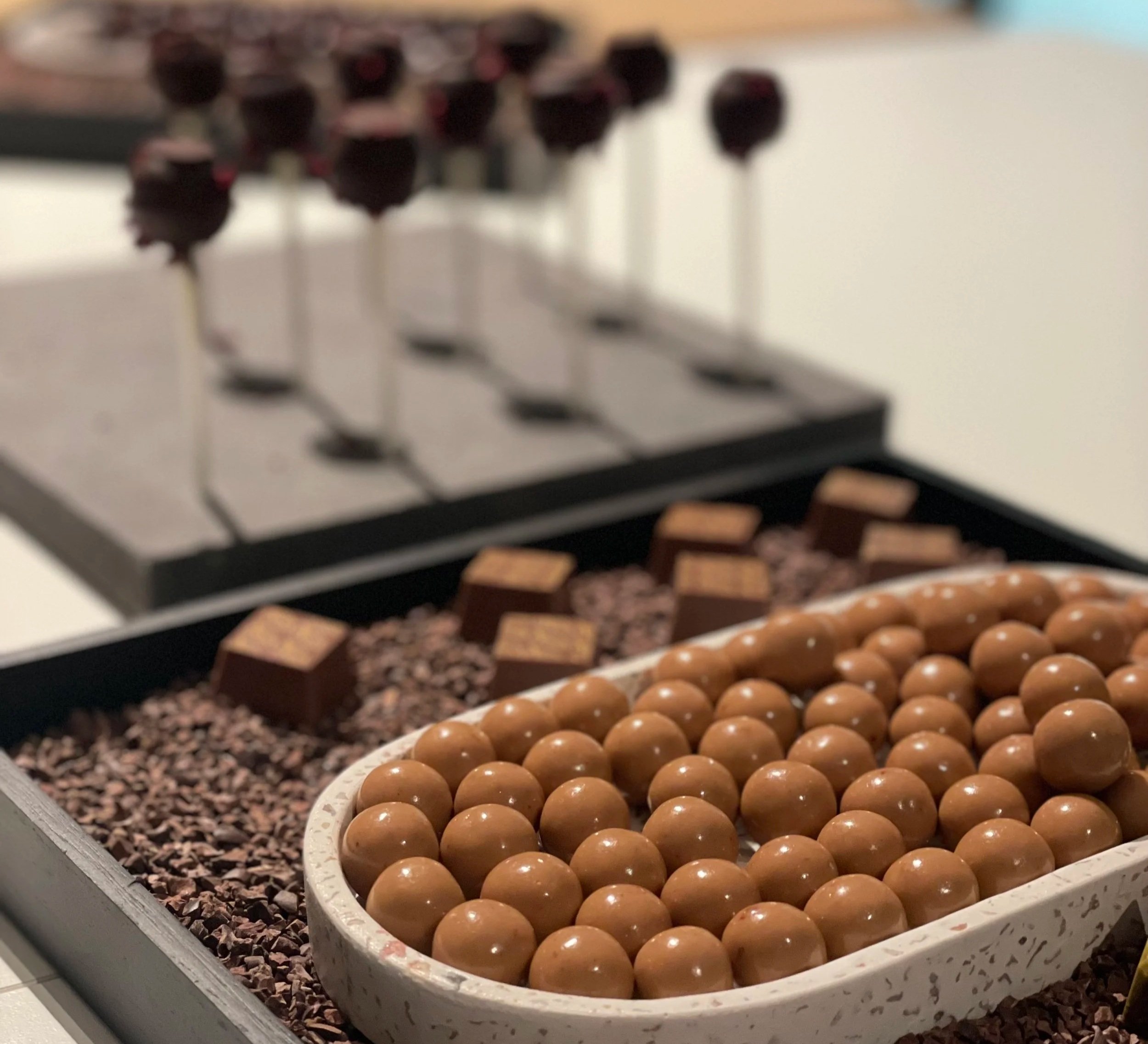
In an industry dominated by standardization, Maxime chooses flexibility. Working in small lots allows the atelier to have total control over every step: transformation, molding, filling, and packaging are all done in-house. This approach guarantees absolute freshness; you are tasting chocolate that hasn't been sitting in a warehouse for months. Moreover, it allows the team to adapt their recipes to the specific personality of the beans, highlighting a floral note here or a woody accent there. It is technical mastery serving nature's complexity.
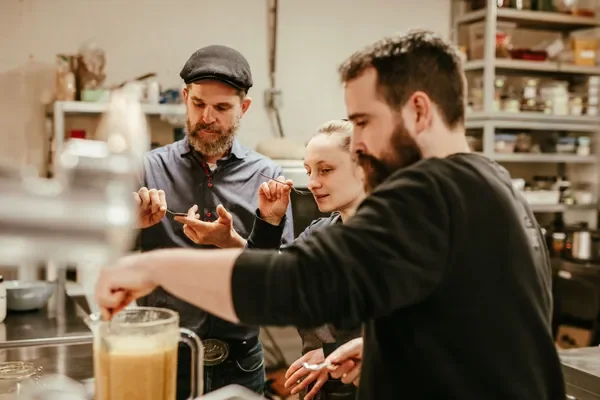
Fermenthings: The City’s Wildest Flavours
It all begins with an idea.
Brussels has always been a city of double lives. Grand façades, backroom energy. A capital of institutions that still makes room for the weird, the artisanal, the deliciously stubborn. If you’ve joined our fermentation tour, you’ve already felt that tension—between heritage and experimentation, between a bottle of gueuze and a jar that’s quietly fizzing on a shelf.
Which is exactly why Fermenthings belongs in the story.
Because while Brussels’ fermentation identity is often told through lambic and gueuze—wild yeast, old barrels, time as an ingredient—Fermenthings shows the other Brussels: the one building the next layer of culture. The one asking what fermentation can do for waste, for local production, for skills, for pleasure. Not as a niche hobby. As a system.
A shop, a lab, a clubhouse for microbes
Fermenthings describes itself as a place “for all things fermented”, and they mean it. The shop is open Wednesday to Sunday, with coffee, hot sauces to taste, a fermentation library to browse, and homemade ferments like kimchi to take home.
But that description “shop” doesn’t fully capture what’s really going on. Because the core idea isn’t retail. It’s access. Fermenthings runs workshops that range from vinegar and kimchi to hot sauce and kombucha, designed to turn curiosity into competence.
That’s why we love bringing people here on the tour: Fermenthings doesn’t just serve fermentation. It teaches it. It demystifies it. It makes it feel doable, and then makes it taste irresistible.
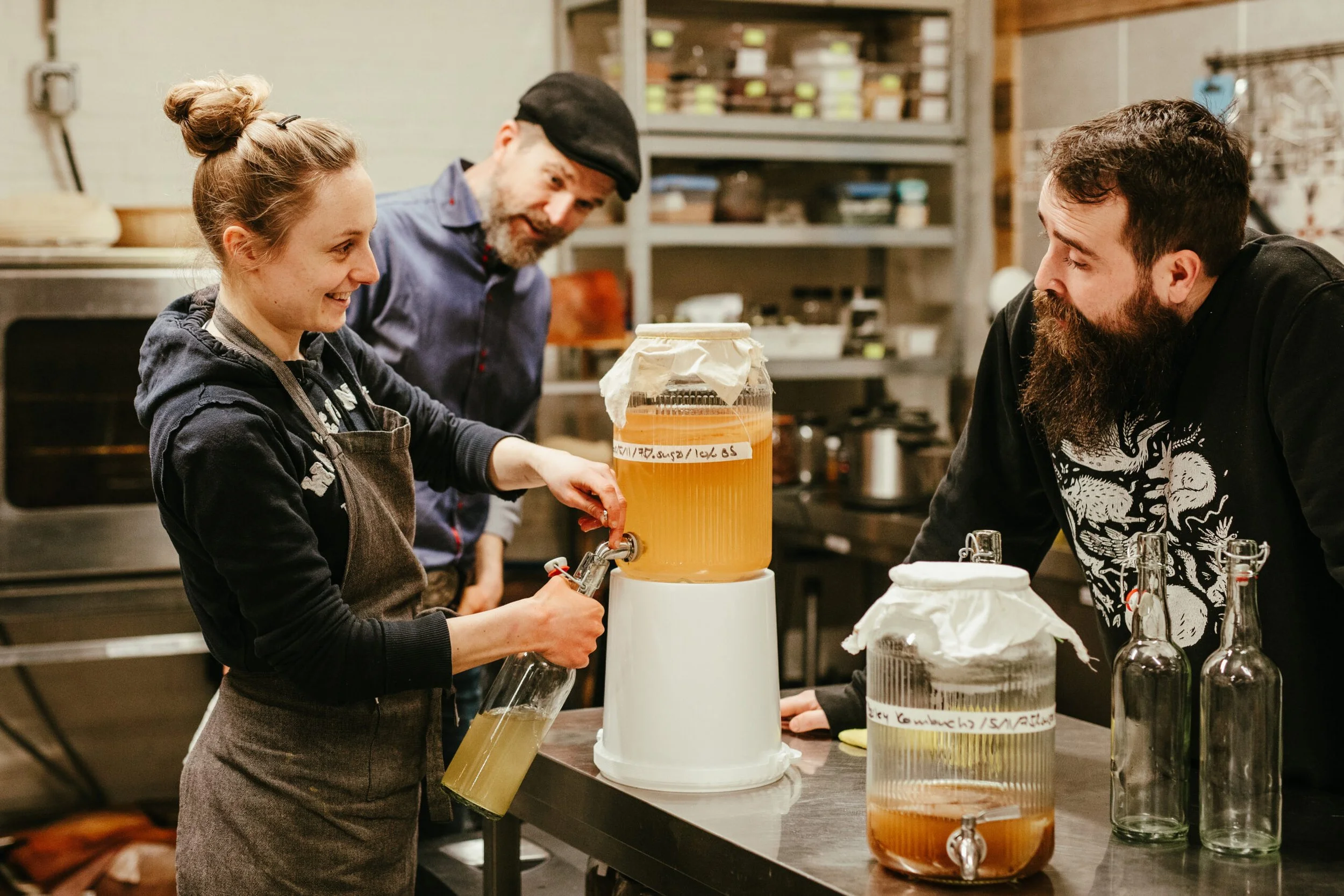
Yannick and his team at fermenthings
Yannick Schandené, and the refusal to follow a blueprint
Every story has a strong character and behind Fermenthings is Yannick Schandené. He is one of the people who helped pull fermentation out of the margins in Brussels and into everyday food culture. In a city that can be cautious about new concepts, he built something that didn’t really exist yet—what he called, bluntly, a space without a template. “There is no blueprint for a space dedicated to fermentation,” he told Brussels Beer City while describing the project’s evolution.
That line matters because it explains the whole Fermenthings energy: the willingness to build first, refine later, and keep moving as the community grows.
Fermenthings started as a shop in Jette (2017), a place for ferments from across Belgium, with workshops, tastings, and early experiments. Then came an “on tour” phase, pop-ups and events (including a noted kimchi party in Ixelles), while the team prepared the next iteration.
In May 2019, Fermenthings landed at BE-HERE, a Brussels hub for sustainable food businesses, where it collaborated with a microbrewery (La Source) and later a kombucha maker—hosting brunches, workshops, and catering across the city.
And then, like so many food projects, it had to survive the COVID era—pause, reassess, re-emerge.
From “cool ferments” to circular fermentation
What makes Fermenthings more than a lovely stop on a food lover’s weekend is the way it links fermentation to a bigger question: what can we do with what we normally waste?
Their Urban Fermentory / Lab opened at BE-HERE in September 2020 as a space dedicated to fermented food research, supported by regional funding to develop products like limonades, shoyu and miso using spent grains from beer.
That’s not marketing fluff. It’s a real-world illustration of how fermentation can help build circular food systems: taking a side-stream (spent grain) and using microbes to transform it into something shelf-stable, useful, and—crucially desirable.
The lab is also intentionally community-facing. Fermenthings frames it with FabLab-inspired thinking: sharing access to tools and logistics, and leaning into open exchange rather than closed-door “R&D theatre.”
This is the part of our tour narrative that clicks for a lot of guests: Brussels isn’t just preserving fermentation traditions, it’s upgrading them into an urban model for the future.
The Urban Fermentory era : a fermentation ecosystem under one roof
In early 2024, Fermenthings expanded again—moving within BE-HERE into a bigger space and formally becoming an Urban Fermentory with dedicated rooms for different kinds of fermentation and production. Yannick’s goal is to create a genuine living network around his production facility, which he envisions as a continuous fermentation process rather than a mere shop.
“At one time with my project fermentathing is that I got a bit stuck into a wall. We are there doing our buisness and it felt that i got a bit stuck in the process.
What we could choose is to choose like growth and unlimited growth like they say in the economy but that’s not how nature works. Nature finds its way, turn around, growns. It isn’t something that you can lock up, that you can block in one thing.
So when we developed, we said : ‘Okay, can we not use the fermentation as also the way that we create the buisness ?’ From there came out The Urban Fermentory. ” -Yannick Schandené
According to Fermenthings’ own timeline, the new setup brings together drinks projects, food transformation, koji/miso production, and sourdough bread—alongside partners like Nuu Miso, Malyce (honey wine), SCOB (non-alcoholic drinks), FELFEL (harissa), and bread cooperatives (including COOPAINS and La Source Du Pain).
That matters because it turns fermentation from a single craft into a shared platform—an ecosystem where ideas cross-pollinate, where a beverage project can feed a vinegar experiment, where “waste” becomes ingredient, and where learning is baked into the architecture.
A Human Prototype
Beyond being just a shop, Fermenthings aims to be a meeting point where the right to make mistakes is not only accepted but encouraged to faster learning. Yannick sees his role as the creator of a resilient ecosystem :
“For me The Urban Factory is a prototype. It’s also something that I want to see reused at other places in othr contexts. It’s really a human thing to do. Sometimes it even looks messy, but at the end what’s good is that it create a resilient environment to grow really cool stuff out of it.
We really want a place where people can meet, where they can share their mistakes, where they can learn, where people can really try and get their hands dirty.”-Yannick Schandené
At the end, Yannick show us a different and more human way to see the circular fermentation ; A way that’s like if we were all part of it. For him the biggest point that everybode have to know is that mistake and time make can make the food taste different, sometimes worse but sometimes even better.
In the end, Yannick shows us a more humane way to view the fermentation process one where we are all active participants in a living system. For him, time and mistakes are the very ingredients that give food its character; while they may lead to failure at times, they are often the secret to creating something even better. The goal is to learn from our mistakes, to correct from them and to share them to create more fermentation.
“Fermentation is all about time. Giving it time, it’s going to help it become better, you cannot force the processus. If you want to create the good taste, you need to give it the right time.
For us it’s a bit like when we’re waiting to the tomatoes to grow : some of them will be riper at one point, other will take more time, other will maybe be green and stay green. You can still use them in others ways ; we don’t need to be all red ripe tomatoes not at the same time but together we can find that process and make it stronger.” -Yannick Schandené
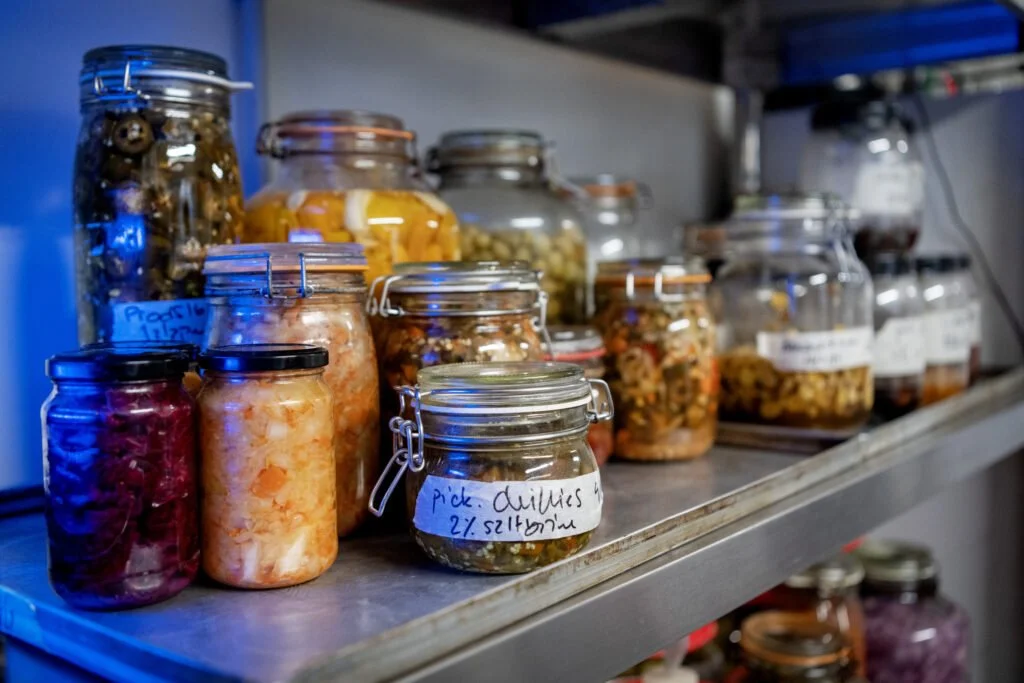
Inside fermenthings fermentation vault.
Brunch as a manifesto
If you want to understand Fermenthings in one sitting, don’t overthink it, go to brunch.
Their Exploration Brunch, hosted monthly at BE-HERE, is framed as “a discovery buffet” built from Fermenthings’ lab work and partner experiments—explicitly designed around the “future of food”: locally sourced, zero waste, low carbon, reproducible.
It’s also classic Fermenthings: serious about sustainability, not serious about being solemn. Guests, collaborations, a little bit of chaos. A reminder that the best way to sell the future is to make it delicious.
Why Fermenthings belongs on our tour
Our tour is built around a simple promise: Brussels has hidden fermentation gems—and they tell you something bigger about how food can work.
Fermenthings is one of those gems because it bridges the old Brussels fermentation story (spontaneous beer cultures, local taste traditions) with the newer one: skills, community, circular thinking, and small-scale production that can actually scale in impact.
On the tour, Fermenthings is where we step into fermentation as a living practice—where you can taste it, yes, but also understand it as a toolkit you can take home. It’s where microbes stop being a concept and start being a craft.
And Yannick, part pioneer, part connector, part relentless thinkerer—is a big reason that this exists at all: a Brussels place where fermentation isn’t boxed into one category, one cuisine, or one aesthetic. It’s allowed to be messy, global, local, and deeply Brussels at the same time.
Which is, honestly, the most Brussels thing of all.
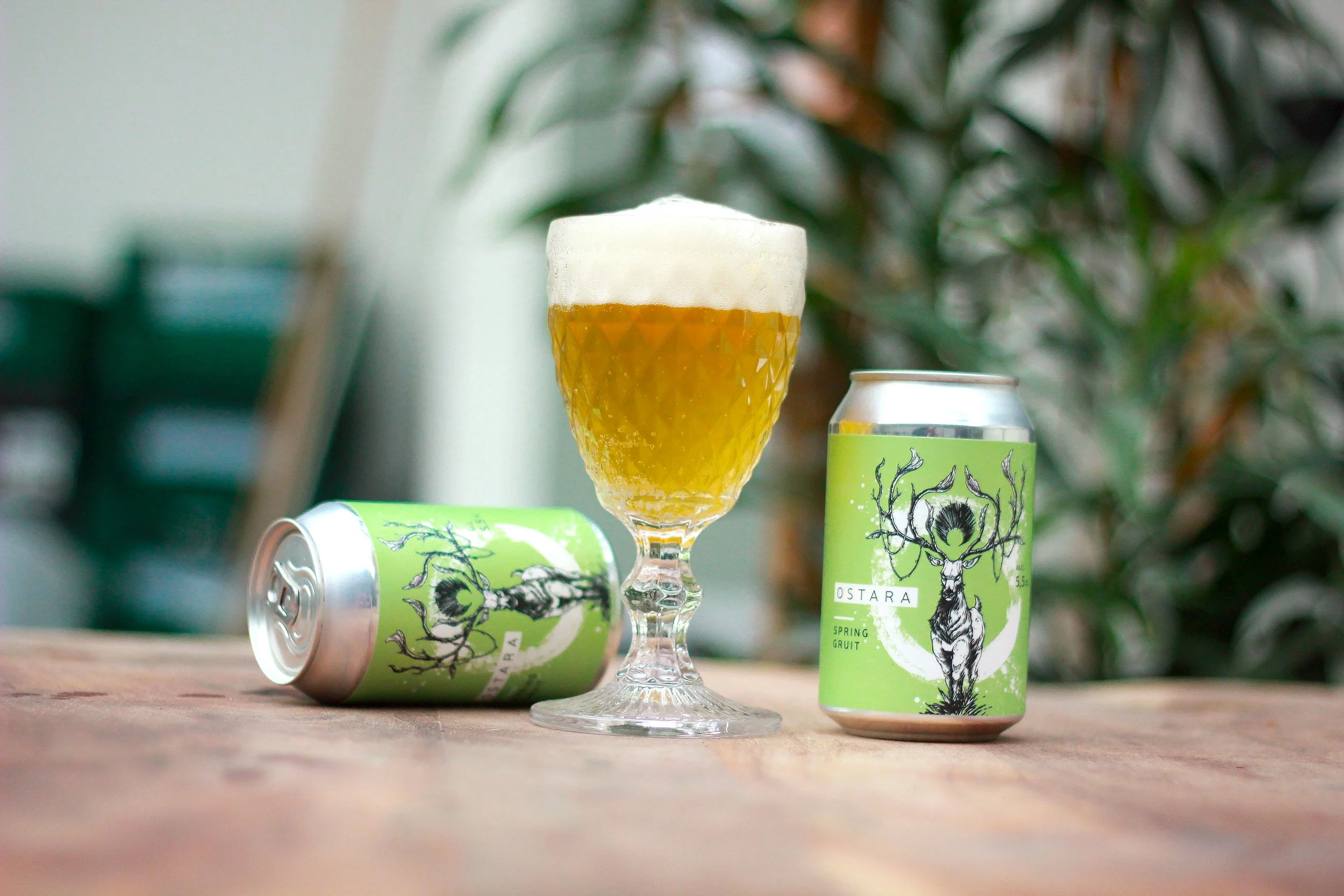
La Source Beer Co: Brussels, poured straight from the tank
It all begins with an idea.
Brussels is a city that rewards curiosity. Walk far enough past the postcard centre and you’ll hit the kind of spaces where the city’s next chapter is being written in real time: big industrial halls, plants everywhere, a buzz of small producers, and—if you’re lucky—the clean hiss of beer being poured directly from a stainless-steel tank.
That’s La Source Beer Co, tucked inside BE-HERE in Laeken. A brewpub that took one idea and pushed it until it became an identity: drink it straight from the source.
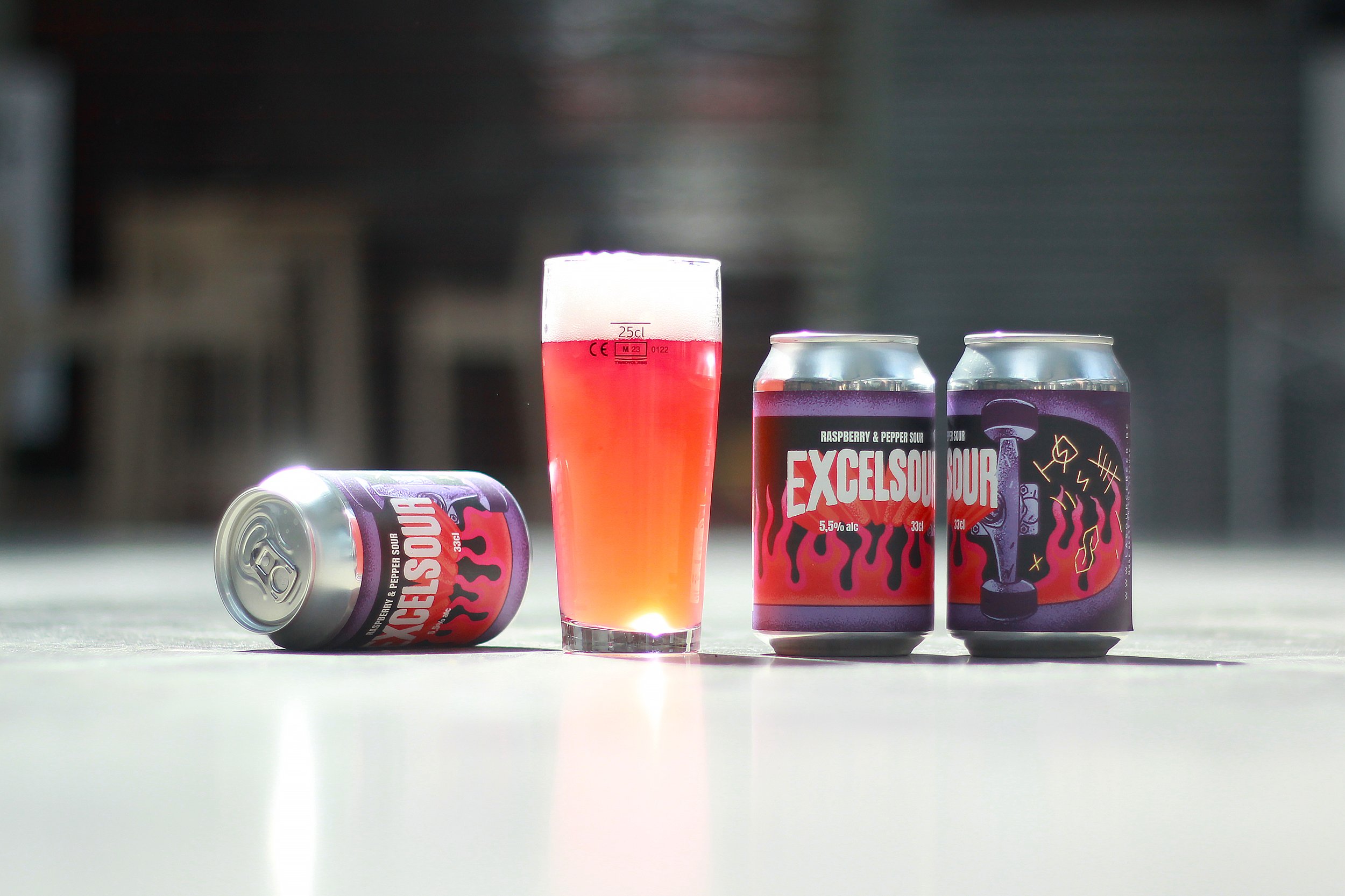
Inside the brewery
A brewpub built around freshness
La Source was created by brewer Mathieu Huygens and his partner Nina Carleer, and it set up at BE-HERE in 2019. The bar runs with 20 taps, and the signature flex is that five taps are installed directly on their service tanks (600L each)—ultra-fresh beer, with the shortest possible distance between fermentation vessel and glass.
The Brussels Bulletin captured the logic perfectly: with the beer going straight from vat to customer, you cut out the enemies of flavour, oxygen, light, heat—so the beer lands in your glass the way the brewer intended.
This commitment to the "short circuit" is absolute. La Source adheres to a strict no export policy outside of Belgium. They favor direct delivery within Brussels and sales on-site to ensure quality. It’s a simple idea, but it hits a deeper truth about fermentation: the “magic” doesn’t end when the yeast finishes its work. Beer stays alive. It oxidises, it evolves, it reacts. Freshness is part of the craft.
Fermentation, turned into a live show
At most bars, fermentation is invisible—something that happened somewhere else. At La Source, it’s part of the room’s architecture: shiny tanks behind the bar, a lineup that changes with the season, and a style range that invites you to taste fermentation as a spectrum.
Early reporting on La Source’s opening described a menu spanning stouts and porters, a triple, hop-forward beers, and a selection of sours. To achieve this variety, they source ingredients with precision. While they use about 1,500kg of hops annually, leaning into the bold, aromatic profiles of the USA (Yakima Chief) and New Zealand (Freestyle Hops) for their IPAs. They keep a foot in Belgian soil by working with t'Hoppecruyt in Poperinge for local hops.
And if you’re following our fermentation tour, that’s exactly why La Source belongs in the lineup. It shows fermentation in motion: clean ferments, expressive hop aromatics, and the deeper, funkier end of the pool where wild microbes and time become ingredients.
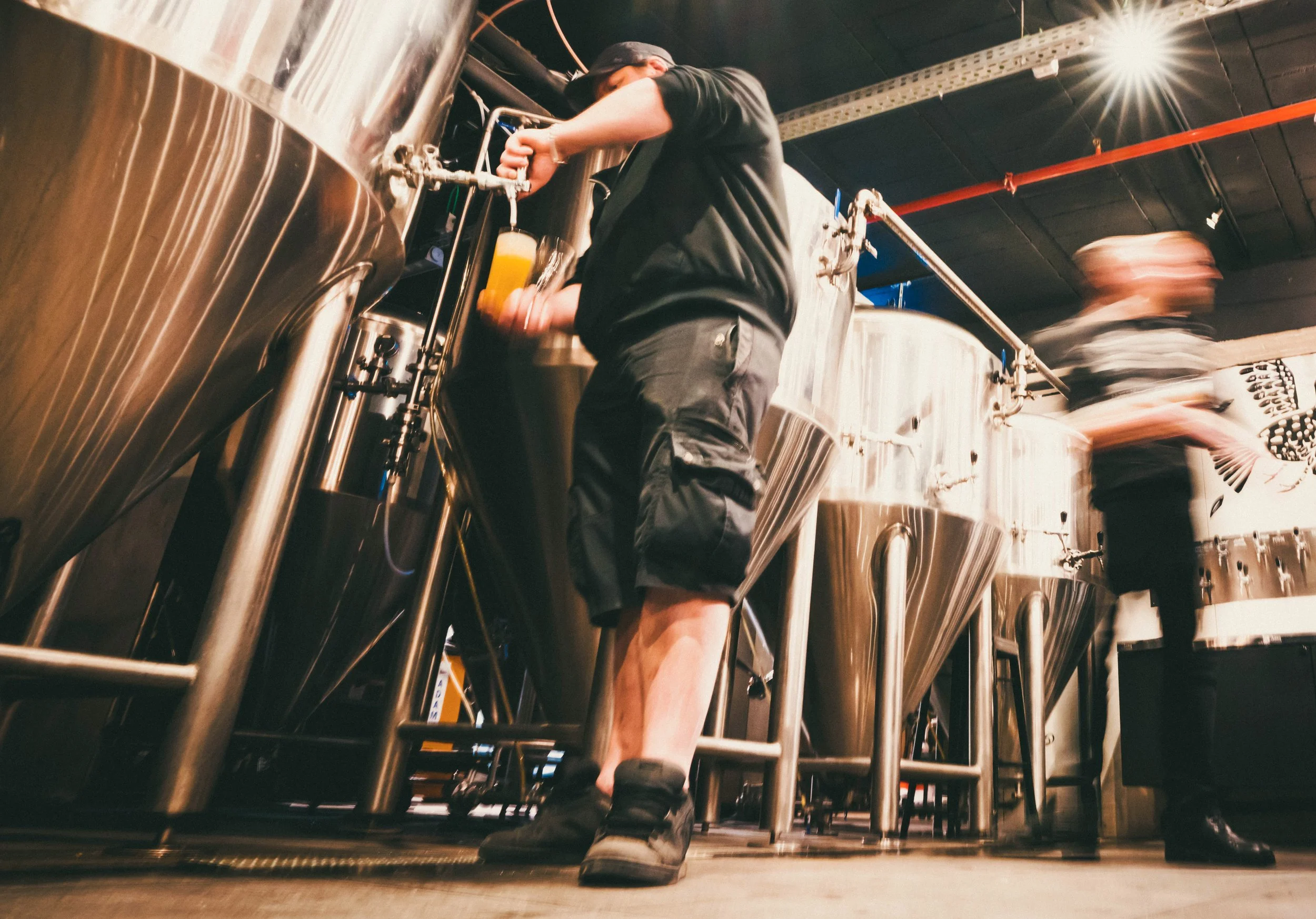
Inside the brewery
A sustainable mindset (without the sermon)
La Source also fits the “future of food” conversation because it treats sustainability as design, not decoration.
It starts with the grain. The brewery goes through approximately 18 tonnes of malt a year, prioritizing local partnerships with Belgian malthouses like Dingemans and BelgoMalt.
But the real fermentation mastery happens with the yeast. While sourced from WHC Lab in Scotland, very little volume is actually ordered. Why? Because the brewers reuse their yeast for at least 10 generations. This isn't just cost-saving; it's a biological skill that allows the culture to adapt and minimizes waste.
In an interview at launch, Huygens talked about trying to run the business as “green” as possible, and one concrete choice stood out: selling beers in cans, with designs by Carleer. The argument wasn’t aesthetic; it was practical: cans are lighter than bottles, so transport can have a lower footprint.
That same piece quotes Huygens describing La Source as a “full-circle brewpub”, a phrase that clicks when you’re standing inside BE-HERE, surrounded by producers who treat “waste” as a starting point for the next product.
More than beer: a cultural living room in a warehouse
One reason La Source works so well as a tour stop is that it’s not a sterile “tasting room.” It’s a place people actually use.
Multiple write-ups describe the setting as relaxed and welcoming, and Brussels Times notes how the brewery has hosted concerts—a reminder that fermentation cultures and music cultures often share the same instinct: independent, local, communal. Even the bar setup is designed for real life—La Source’s own site calls out the space and the fact that kids have room to move, which matters in a city where great food is often woven into everyday routines.
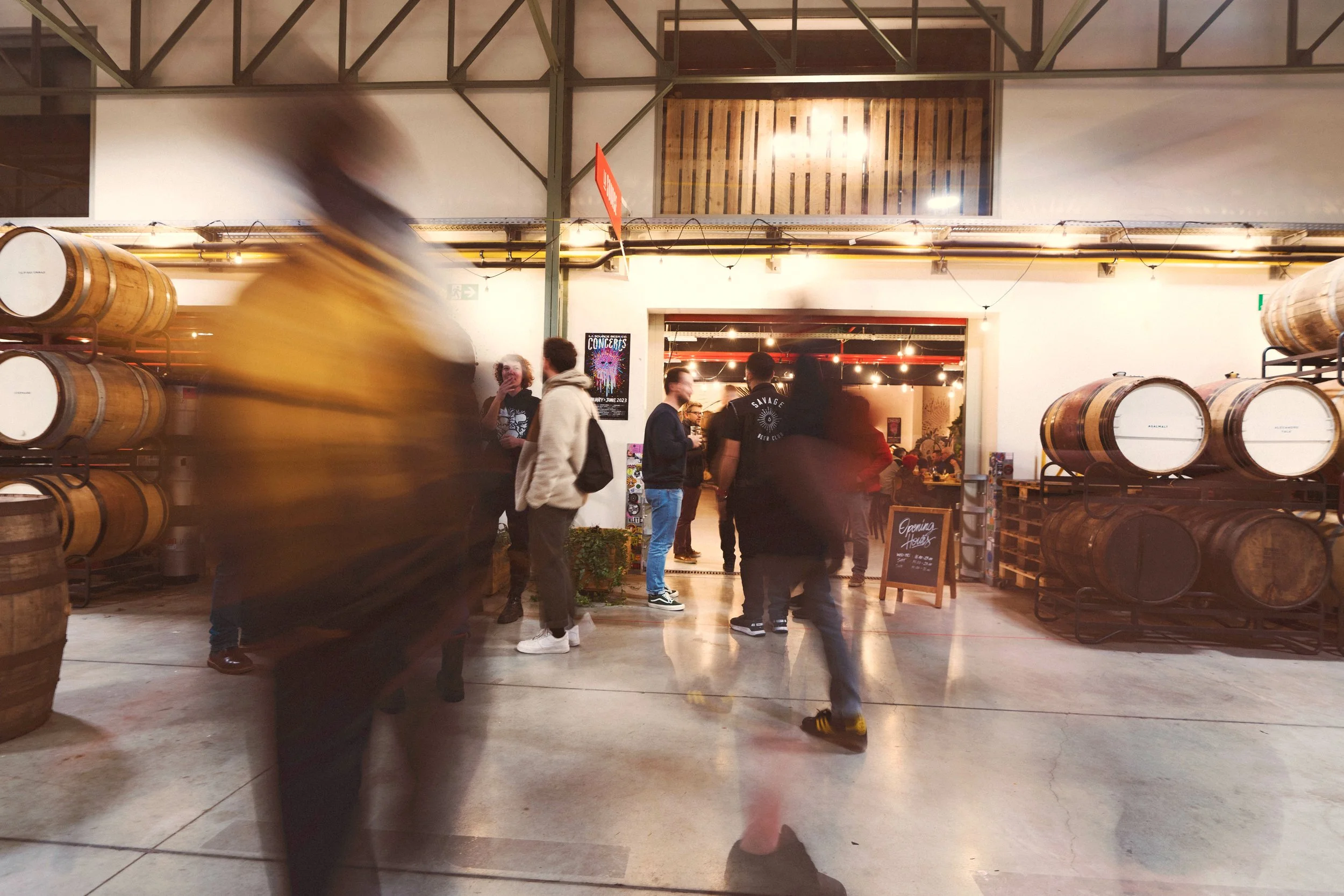
Entrance to the brewery
Why La Source is part of our tour
Brussels fermentation is often told through heritage: lambic, gueuze, old barrels, spontaneous cultures. That story matters—and we love it. But the city’s fermentation future is happening in places like BE-HERE, where modern craft meets circular thinking and cross-pollination.
La Source sits right in that ecosystem. Brussels Beer City linked La Source’s arrival to the wider BE-HERE fermentation cluster (alongside Fermenthings), and BX1 reported on the same neighborhood energy—products, collaborations, shared momentum.
So when we bring you to La Source, we’re not just offering “a beer stop.” We’re showing what fermentation looks like when it’s treated as a living system: fresh beer straight from the tank, local ingredients, smart yeast management, experiments on tap, and a community space that makes craft feel accessible.
In a city obsessed with tradition, La Source proves that innovation can still be deeply Brussels, unpretentious, social, and powered by microbes.
Bazaar Trottoir : See Brussels different
Bazaar Trottoir invites you to experience Brussels the way the city really moves: from the pavement, at walking pace, with open eyes and plenty of curiosity. No postcard routes, no polished tourist narratives, but stories that live in the streets themselves.
Through guided walks around street art, beer, entrepreneurship, sustainability and neighbourhood life, Bazaar Trottoir explores the city in an alternative, human-scale way. Each walk is an invitation to slow down, look closer, and connect with places, with people, and with the often invisible dynamics that shape the city.
Neighbourhood walks are an essential part of this approach. Rather than focusing solely on the historic centre, Bazaar Trottoir deliberately steps into areas that are less obvious but deeply telling. The neighbourhood around Tour & Taxis is one of those places: a zone in full transformation, where industrial heritage, new urban functions and emerging ecosystems coexist. It’s exactly the kind of urban laboratory we love to walk through, together with a group.
Bazaar Trottoir was founded in 2019 by Valérie De Ketelaere. What started in Brussels has since grown beyond the city, with walks now also taking place in Antwerp and Ostend. Today, a team of 15 enthusiastic ambassadors—guides with a strong connection to their city lead visitors through streets and stories with knowledge, humour and a genuine love for urban life.
The early days weren’t easy. Shortly after the launch, the COVID pandemic hit. Walking tours came to a sudden halt. Instead of pausing everything, Bazaar Trottoir experimented. Guides went digital, and online beer tastings were organised among them tastings featuring beers from La Source. Even at a distance, the goal remained the same: creating moments of connection and shared discovery.
Sustainability, circular economy and social innovation have since become one of the core pillars of our work. For us, these themes are not abstract concepts or trends, but very tangible realities that are already shaping the city. They reveal who is rethinking production, consumption and collaboration. Who is experimenting with new models. Who is trying sometimes quietly, often with limited visibility to build a better city, or even a better world.
What fascinates us most are the small ecosystems. Places where different actors support each other, share resources and ideas, and where waste becomes a starting point rather than an end. These initiatives are not always easy to spot. Often they are led by pioneers who don’t necessarily seek the spotlight. Bazaar Trottoir enjoys doing the opposite: slowing down, listening, and bringing those stories together into a coherent walk.
Make it stand out
Whatever it is, the way you tell your story online can make all the difference.
That’s also why Fermentastic feels like a natural match. Fermentation is, at its core, about transformation, patience and collaboration with living systems. It’s about processes you can’t fully control, but can guide with care. The same applies to cities. By including partners like La Source and places like BE-HERE in our walks, we can show fermentation not just as a technique, but as a lens to understand urban change.
With Bazaar Trottoir, walking becomes a way to read the city differently. Not as a finished product, but as a living organism full of microbes, ideas, experiments and encounters. And always, always, from the pavement up.
Gastronomy enthusiast ? Tour operator expert in food experience ? Tourism professional in search of sustainable experience ? Join our tour !Want more information about our tour ?